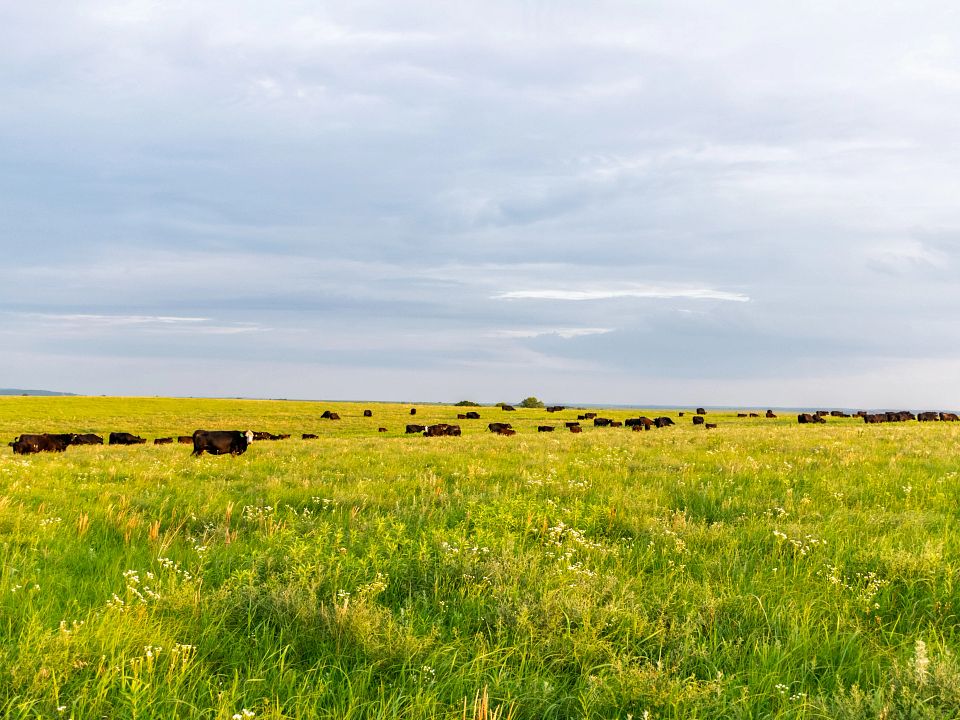
Raising Beef
Raising beef is a complex process, but throughout the entire journey, one thing remains constant – the shared commitment to raising cattle in a safe, humane and environmentally sustainable way. Currently, more than 90% of U.S. farms and ranches are family-owned and operated. Learn more about the people who are invested in raising high-quality, sustainable beef for generations to come.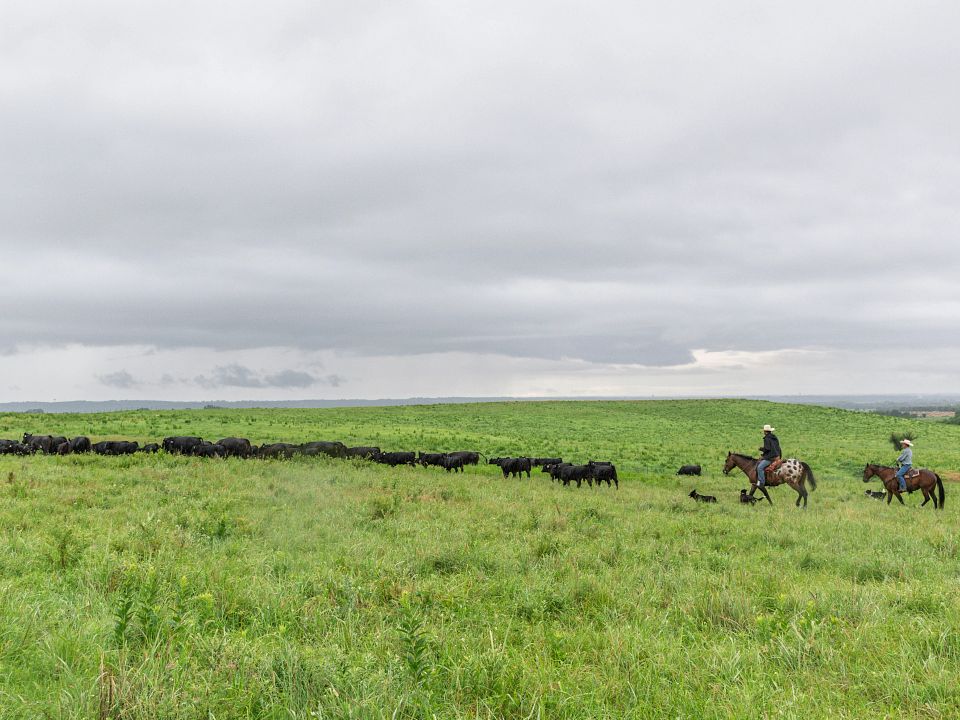
Beef Sustainability
To the beef community, sustainability involves more than environmental considerations. A sustainable food supply balances efficient production with environmental, social and economic impacts.
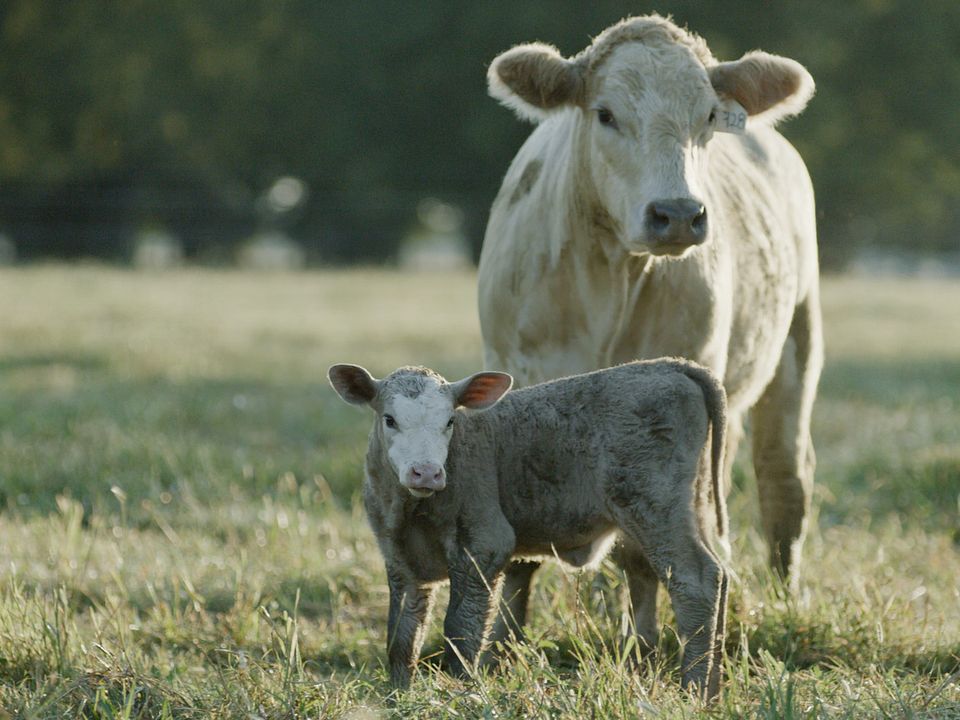
Explore the Beef Lifecycle
Across the journey of raising beef, one primary thing remains constant – the beef community’s shared commitment to raising cattle in a safe and environmentally sustainable way.
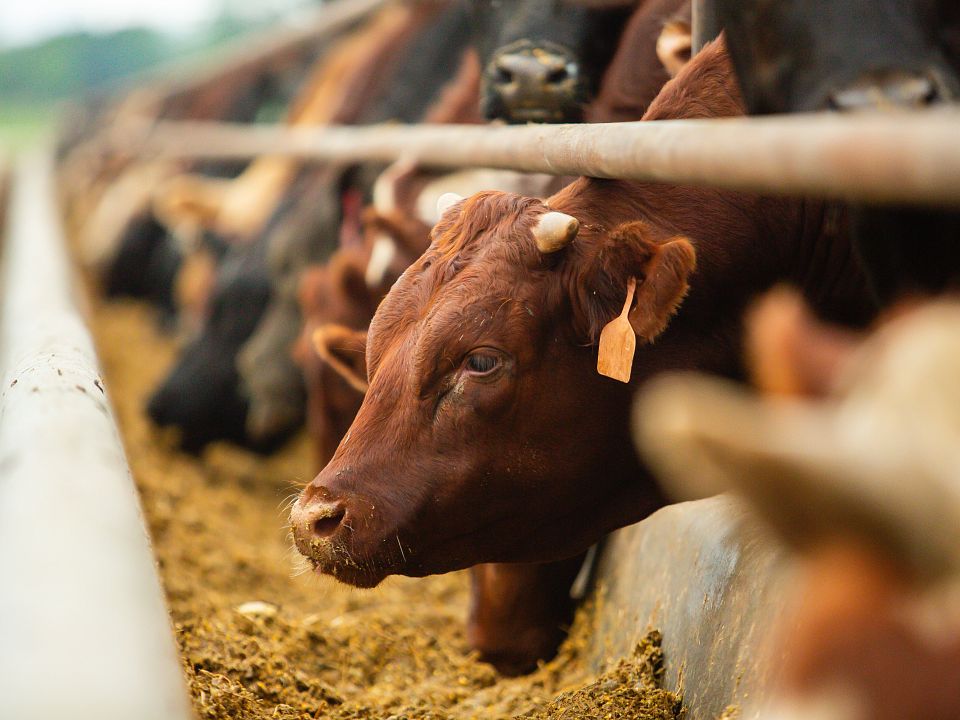
Ensuring Beef Safety
Explore the essential function that safety plays across the beef lifecycle journey – from the cattle ranches across the U.S., to the meat processing plants, to your kitchen table.
Meet North Dakota's Beef Producers


Beef in a Healthy, Sustainable Diet
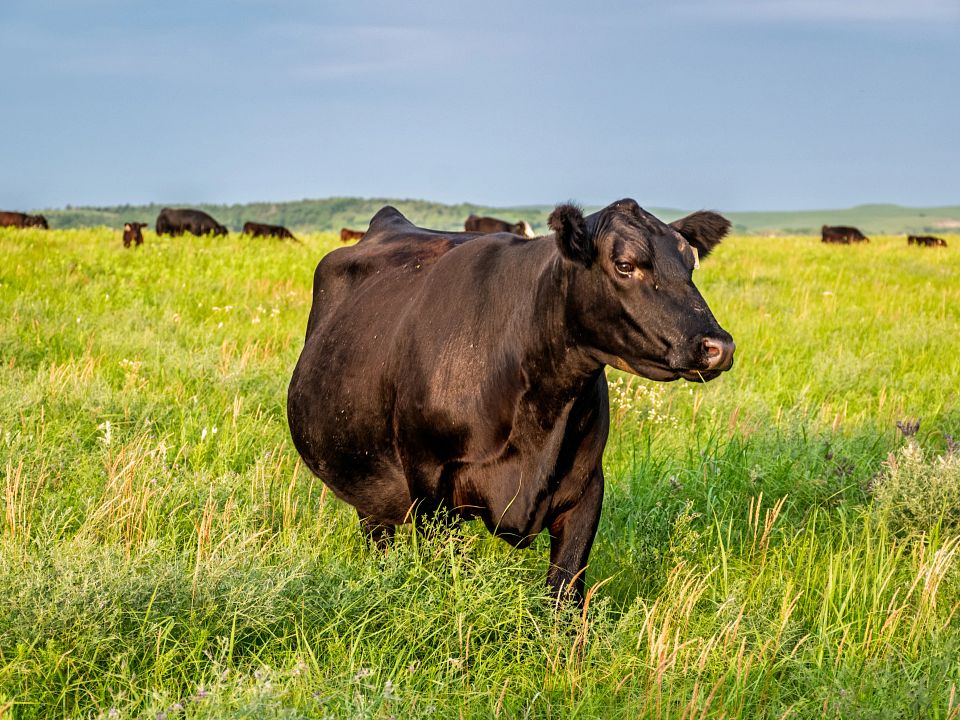
Beef is nourishing and sustainable. It promotes health and helps prevent nutrient deficiencies. Environmentally, cattle play a unique role in our food system because they upgrade inedible plants to high-quality protein. Most people are already eating beef within global dietary guidelines, so we believe the biggest opportunity for a healthy sustainable diet will come from reducing food waste, including beef, eating fewer empty calories and enjoying more balanced meals.
Animal Care and the Modern Farmer
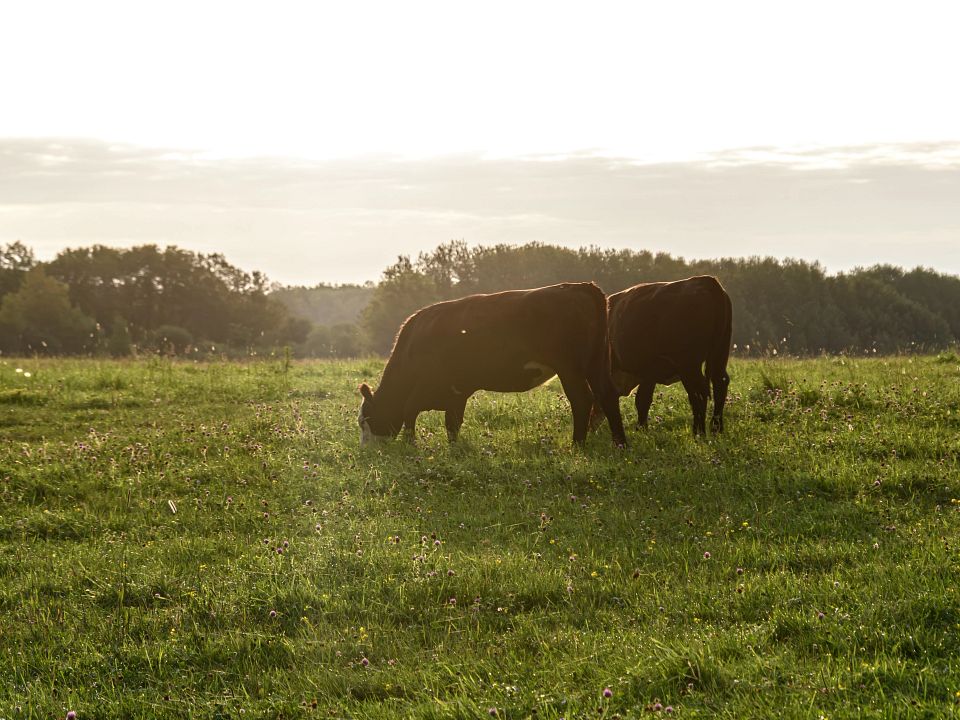
Cattle farmers and ranchers have many tools to keep the animals in their care healthy and safe, including nutrition programs, veterinary care, facilities that ensure comfort, and good management practices, such as low-stress handling, vaccines and antibiotics, when necessary. No matter the tool, when it comes to animal health, the practices are science-based, regulated and, above all, good for the animal and the consumer.